
Understanding Luck in Casino Games
Luck is a central element in many casino games, particularly those where outcomes are predominantly dictated by chance. Games such as slots and roulette exemplify this phenomenon, where results are largely determined by random number generators or spinning wheels. In these instances, player skill has minimal effect on the outcome. The thrill associated with such games often lies in the unpredictability, enticing players to return for more, captivated by the possibility of significant wins. For those seeking an even more streamlined experience, no kyc casinos offer options that simplify the registration process. This randomness creates an exhilarating atmosphere, as players chase the elusive fortune that could change their lives in an instant.
While luck can lead to euphoric wins, it also acts as a double-edged sword. Players may experience streaks of good fortune, leading to an inflated sense of confidence that they have discovered a foolproof winning strategy. This overconfidence can compel players to take reckless risks, ultimately resulting in losses that overshadow previous victories. Conversely, a series of unfortunate events can generate a negative emotional response, causing players to feel as though they are perpetually at the mercy of fate. Recognizing the complexities of luck is essential for any player looking to navigate the often unpredictable casino environment effectively.
The significance of luck is further magnified by the house edge, an inherent mathematical advantage built into casino games. This ensures that, in the long run, the casino will always profit, regardless of individual player experiences. Although luck may grant some players short-term wins, the casino’s profitability is derived from the collective losses of many players over time. This asymmetry serves as a crucial reminder that while moments of great luck can occur, players need a thorough understanding of the role luck plays to maintain a balanced perspective and approach to gambling.
The Importance of Skill in Strategy-Based Games
In contrast to luck-driven games, strategy-based casino games like poker, blackjack, and certain variations of baccarat place a heavy emphasis on player skill. These games require strategic thinking, psychological insights, and the ability to calculate odds, all of which can significantly influence the outcome. Players who invest time in mastering these skills can enhance their chances of success and potentially gain an edge over less experienced opponents. This skill component introduces a fascinating dynamic, where knowledge and practice can translate into consistent winnings over time.
Take poker, for example. A player’s ability to read their opponents, manage their chips effectively, and determine when to bluff or fold can mean the difference between victory and defeat. Unlike games that rely solely on luck, poker rewards those who diligently learn strategies, understand probabilities, and analyze their competitors’ behaviors. This skill set can be cultivated, offering players the opportunity to outperform individuals who may depend exclusively on fortune, thus elevating the overall competitiveness of the game.
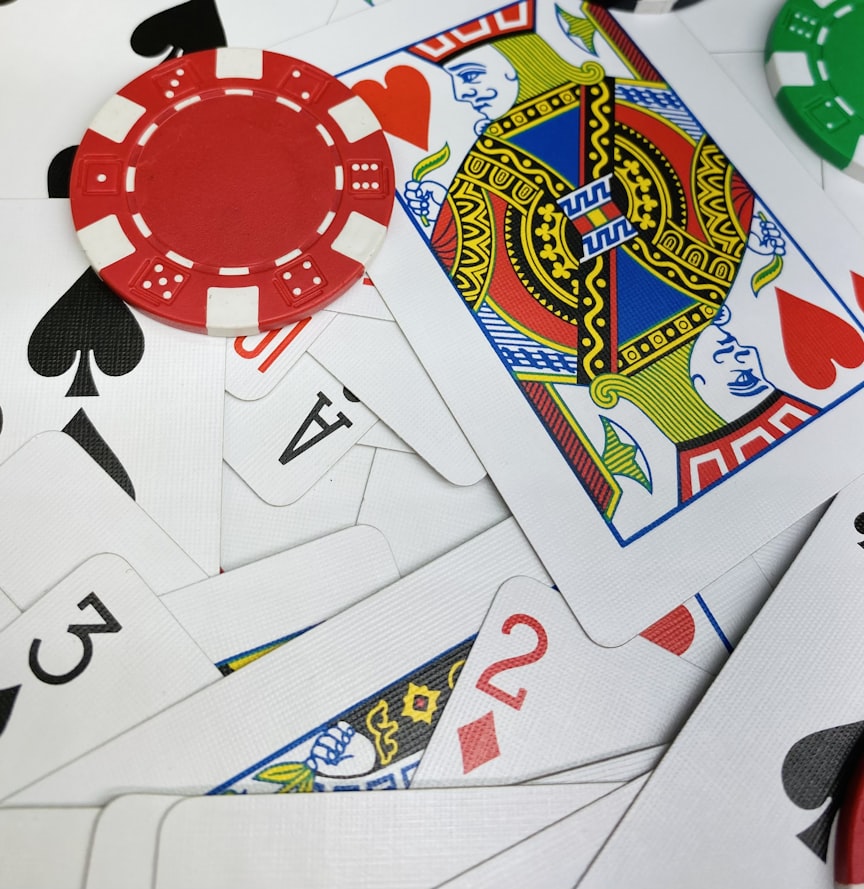
Similarly, in blackjack, a player’s understanding of basic strategy can dramatically reduce the house edge, enabling them to play with greater confidence and make more informed decisions. Techniques such as card counting, though often discouraged by casinos, can empower skilled players to shift the odds in their favor. Therefore, while luck continues to play a role in individual hands, the application of solid strategies can lead to sustained success, further underscoring the significance of skill in the casino landscape.
The Intersection of Luck and Skill
The relationship between luck and skill within casinos presents a captivating dynamic. Many games exhibit a balance where luck can drive short-term results, while skill influences long-term outcomes. This duality enriches the gaming experience, attracting a diverse array of players with varying preferences and approaches. Some may find excitement in luck-driven games, while others are drawn to the challenge of mastering strategy-based games, creating a multifaceted casino environment.
In tournament settings, particularly in skill-based games, players must navigate various levels where luck—such as card distribution or the actions of opponents—can significantly impact their progression. Even the most adept players can succumb to bad luck during critical junctures of a game, while less skilled participants may find themselves unexpectedly victorious due to a fortunate sequence of events. This complexity adds depth to the casino experience, illustrating that both luck and skill are integral components of success.
Additionally, this interplay can elicit varying psychological responses from players. A highly skilled player who relies on their knowledge may feel frustration when luck disrupts their carefully laid plans. Conversely, a casual player engaged in a luck-based game might revel in a sudden win, despite having little grasp of the game mechanics. This dichotomy highlights the emotional rollercoaster inherent in gambling, where both luck and skill can lead to exhilarating triumphs or disappointing defeats.
The Psychological Aspect of Luck and Skill
The psychological ramifications of luck and skill are profound and can significantly shape a player’s approach to casino games. Players often cultivate a belief in their capacity to influence outcomes, whether through skill or sheer fortune. This belief, referred to as “locus of control,” affects how individuals perceive their successes and failures in gambling contexts. Those who feel empowered to control their fate are typically more inclined to engage in strategy-based games, whereas those who attribute their outcomes to luck may gravitate toward chance-driven games.
This psychological framework can manifest in various gambling behaviors, including the “gambler’s fallacy.” For instance, a player may assume that a number in roulette is “due” to hit after a series of spins without appearing. Such misconceptions can lead to increased betting based on faulty reasoning, illustrating the intricate relationship between luck and psychological perceptions in gambling scenarios. Understanding these behavioral tendencies can help players recognize and mitigate the impact of cognitive biases on their decision-making processes.
Furthermore, the tension between skill and luck can foster resilience among players. Those with skill who encounter a streak of bad luck may develop coping strategies to manage these setbacks, allowing them to maintain psychological fortitude. In contrast, inexperienced players may struggle with the emotional volatility associated with luck-based games, leading to frustration or irresponsible betting behaviors. Gaining insight into these psychological elements can empower players to make more informed decisions, ultimately enhancing their overall gambling experience.
Exploring Online Casinos and Their Unique Dynamics
The advent of online casinos has revolutionized the gambling landscape by merging traditional elements with digital innovations. In these online environments, the interplay between luck and skill takes on new dimensions. Players can access a vast array of games at their convenience, many of which offer both luck-driven and strategy-based options. This accessibility encourages broader experimentation, allowing players to identify games that best align with their preferences and skill levels, ultimately enriching their gaming experience.
Online platforms also introduce additional layers of game design that can amplify either luck or skill components. Features such as progressive jackpots in slot games accentuate luck, drawing in players captivated by the prospect of massive payouts. Conversely, many online poker and blackjack platforms provide tutorials and practice modes, encouraging players to hone their skills without incurring financial risks. This educational aspect helps bridge the gap between luck and skill, nurturing a player base that is not only more informed but also potentially more skilled.
Moreover, the anonymity afforded by online gambling can significantly impact player psychology. The lack of face-to-face interaction may lead players to take greater risks, often basing their decisions on luck rather than strategic considerations. This dynamic can foster a blend of behaviors where players may overestimate their ability to control outcomes. As the online casino landscape continues to evolve, the balance between luck and skill will remain a pivotal factor influencing player experiences and their overall success in the digital gambling arena.